Borrowing money used to feel like a long process. People expected paperwork, branch visits, waiting periods, and repeated verification calls before a loan finally got approved. That entire experience has changed rapidly over the last few years.
Today, a modern loan app can complete most of the borrowing process digitally, sometimes within a few hours. For many users, especially younger professionals and salaried borrowers, speed and convenience now matter just as much as the loan itself.
Why has digital lending become more popular than traditional lending?
Traditional lending systems often felt exhausting for smaller borrowing needs. A borrower needing urgent funds for medical expenses, appliance replacement, emergency travel, or temporary cash flow gaps usually had to deal with physical documentation and delayed approvals earlier. Now, a modern instant loan app simplifies most of these steps through digital verification systems.
Many platforms today allow borrowers to:
- Apply online
- Upload documents digitally
- Complete KYC remotely
- Track approvals in real time
- Receive funds directly into bank accounts
That convenience is one of the biggest reasons digital borrowing behaviour has expanded so aggressively across India.
How has paperless KYC changed the borrowing experience significantly?
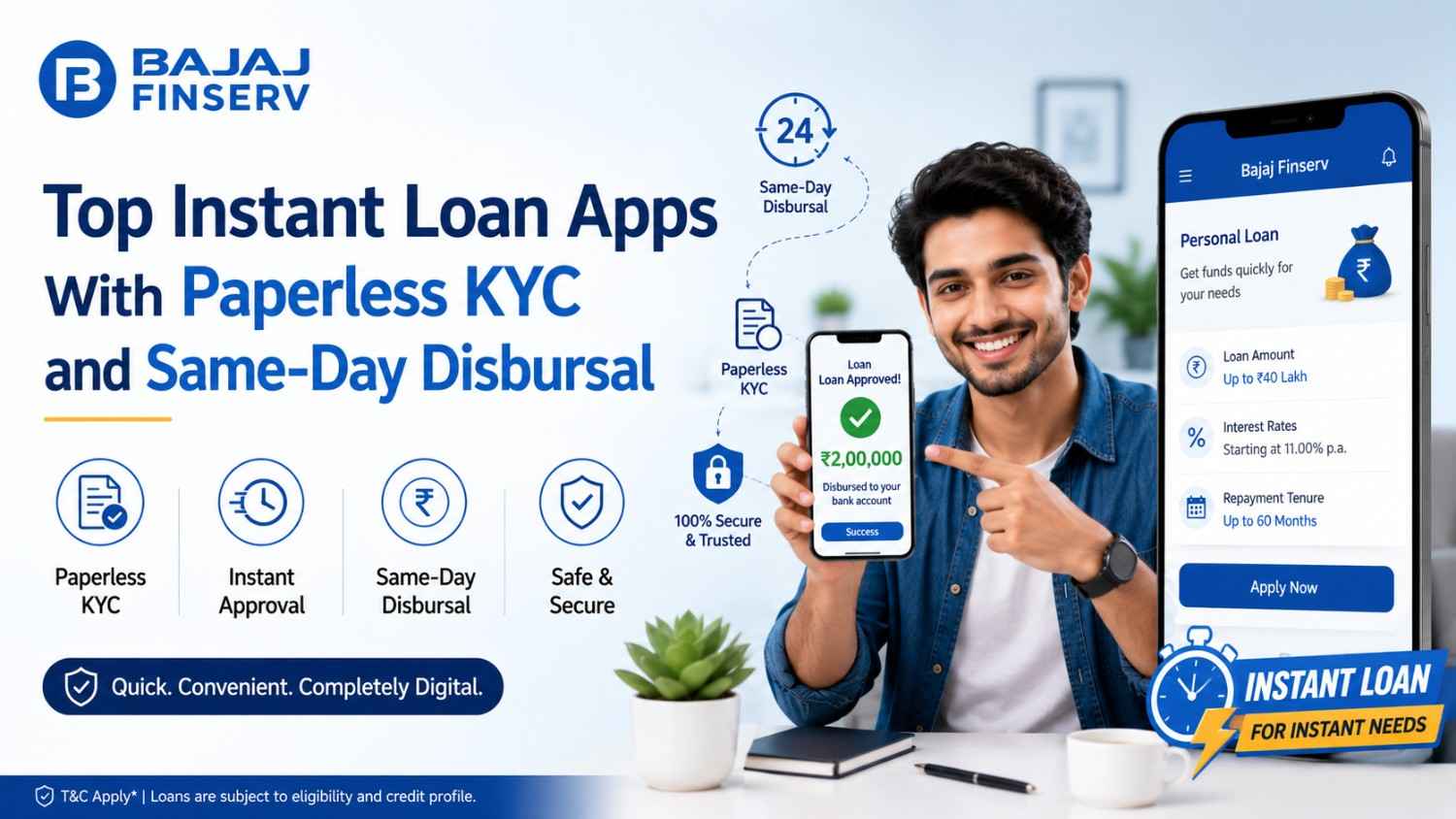
This is one of the most important developments in digital lending. Earlier, identity verification meant physical photocopies, branch submissions, signatures, and manual checks. A loan app personal platform now often completes these processes digitally using:
- Aadhaar-based authentication
- PAN verification
- OTP validation
- Digital bank statement analysis
The result is faster approval timelines and reduced paperwork for borrowers.
For example, someone handling an urgent expense in Pune or Gurgaon may apply through an instant loan platform in the morning and potentially receive funds later that same day, without visiting a branch at all.
That level of accessibility permanently changed borrower expectations.
Faster approval is useful, but repayment still matters more
This is where many first-time borrowers become careless. The excitement of quick approvals sometimes distracts people from properly evaluating the repayment commitment.
A loan should never be judged only by:
- Approval speed
- Maximum eligible amount
- Instant disbursal claims
The more important questions are:
- Is the EMI manageable?
- Does the repayment fit the monthly income?
- What is the total repayment cost?
- Are there additional charges?
A well-designed loan app’s personal experience should help users clearly understand these details before they accept the loan. Transparency matters more than marketing promises.
Same-day disbursal helps during urgent situations
There’s a reason borrowers increasingly prefer faster digital lending systems. Emergencies rarely arrive at convenient times.
For example:
- A refrigerator stops working during extreme summer heat
- A sudden medical payment appears unexpectedly
- A laptop replacement becomes urgent for work or studies
- Travel expenses need immediate payment
In situations like these, an instant loan app with same-day disbursal can significantly reduce immediate financial pressure.
The key difference is speed combined with structure. Borrowers gain access to funds quickly while repaying through predictable EMIs, rather than relying on informal borrowing or high-cost alternatives.
Flexible EMI structures are becoming more important than ever
Monthly cash flow management matters heavily now. Most borrowers no longer simply want approvals. They want repayment flexibility, too. A good loan app generally allows users to:
- Choose repayment tenure
- Compare EMI options
- View repayment schedules digitally
- Track outstanding balance easily
For example:
- A shorter tenure reduces total interest paid
- A longer tenure lowers the monthly EMI pressure
The ideal structure depends on income stability, existing financial obligations, and the reason for borrowing.
That flexibility is one of the main reasons structured digital loans are replacing informal borrowing patterns.
Borrowing more than required creates unnecessary pressure later
This is still one of the most common mistakes. An instant loan platform may approve a larger amount than the borrower genuinely needs. Seeing higher eligibility often creates temptation. Someone requiring Rs. 80,000 may suddenly qualify for Rs. 4 lakh. That does not mean borrowing the higher amount is financially sensible.
Responsible borrowing usually means:
- Borrowing for planned needs
- Keeping EMIs manageable
- Avoiding emotional spending
- Maintaining emergency savings separately
Approval capacity and repayment comfort are completely different things.
Also Read: Top 5 Health Insurance Companies in India: Compare Plans, Benefits & Coverage
Digital visibility improved repayment discipline
One major advantage of a modern loan app personal platform is repayment tracking.
Borrowers can now monitor:
- EMI due dates
- Outstanding balances
- Remaining tenure
- Repayment progress
through digital dashboards and reminders.
This visibility reduces confusion and improves financial awareness significantly compared to older offline systems. People generally repay more consistently when the repayment journey feels transparent and easy to monitor digitally.
Why transparency matters for a loan app?
This part matters heavily today. Borrowers should always verify whether a loan app works with RBI-regulated banks or NBFCs before applying. A trustworthy platform usually provides:
- Clear lender details
- Transparent interest rates
- Visible processing fees
- Defined penalty structures
- Accessible customer support
Warning signs often include:
- Unrealistic approval promises
- Hidden charges
- Aggressive recovery behaviour
- Poor repayment clarity
Platforms like Bajaj Finserv are commonly preferred because borrowers can access structured lending systems alongside transparent digital repayment management. Trust matters heavily in financial products.
Why applying to too many apps can create problems?
This is another mistake many borrowers make. One rejection leads to multiple simultaneous applications across several platforms. But repeated credit enquiries in a short period may negatively affect future approvals.
A smarter approach is simpler:
- Compare lenders carefully first
- Understand eligibility properly
- Apply selectively
A well-planned application process usually works better than rushed borrowing behaviour.
Structured loans are usually safer than informal borrowing
This is one reason digital lending adoption continues increasing. Borrowers often depended on:
- Informal borrowing
- Credit card rollovers
- Short-term high-interest credit
These options frequently created unpredictable repayment pressure.
A structured instant loan generally offers:
- Fixed EMI schedules
- Defined repayment timelines
- Transparent repayment visibility
That predictability helps borrowers manage finances more responsibly.
Digital lending is becoming part of larger financial ecosystems
Digital lending is becoming part of larger financial ecosystems, and another noticeable shift is integration. Many platforms now combine:
- Loans
- Insurance
- EMI management
- Credit tracking
- Investments
- Payment systems
inside connected financial ecosystems. This has made borrowing feel more integrated into overall financial management rather than a separate, isolated activity.
Conclusion
A modern loan app has transformed how borrowers access short-term credit across India.
Paperless KYC, digital verification, same-day disbursal, and flexible EMI structures have made borrowing faster and far more accessible than traditional lending systems. A good loan app personal platform now offers not just speed, but also transparency, repayment visibility, and financial flexibility.
At the same time, responsible borrowing remains essential.
A structured instant loan should support financial stability, not create repayment stress through impulsive decisions or unrealistic borrowing behaviour. Because ultimately, convenience works best when combined with financial discipline.
About the Author