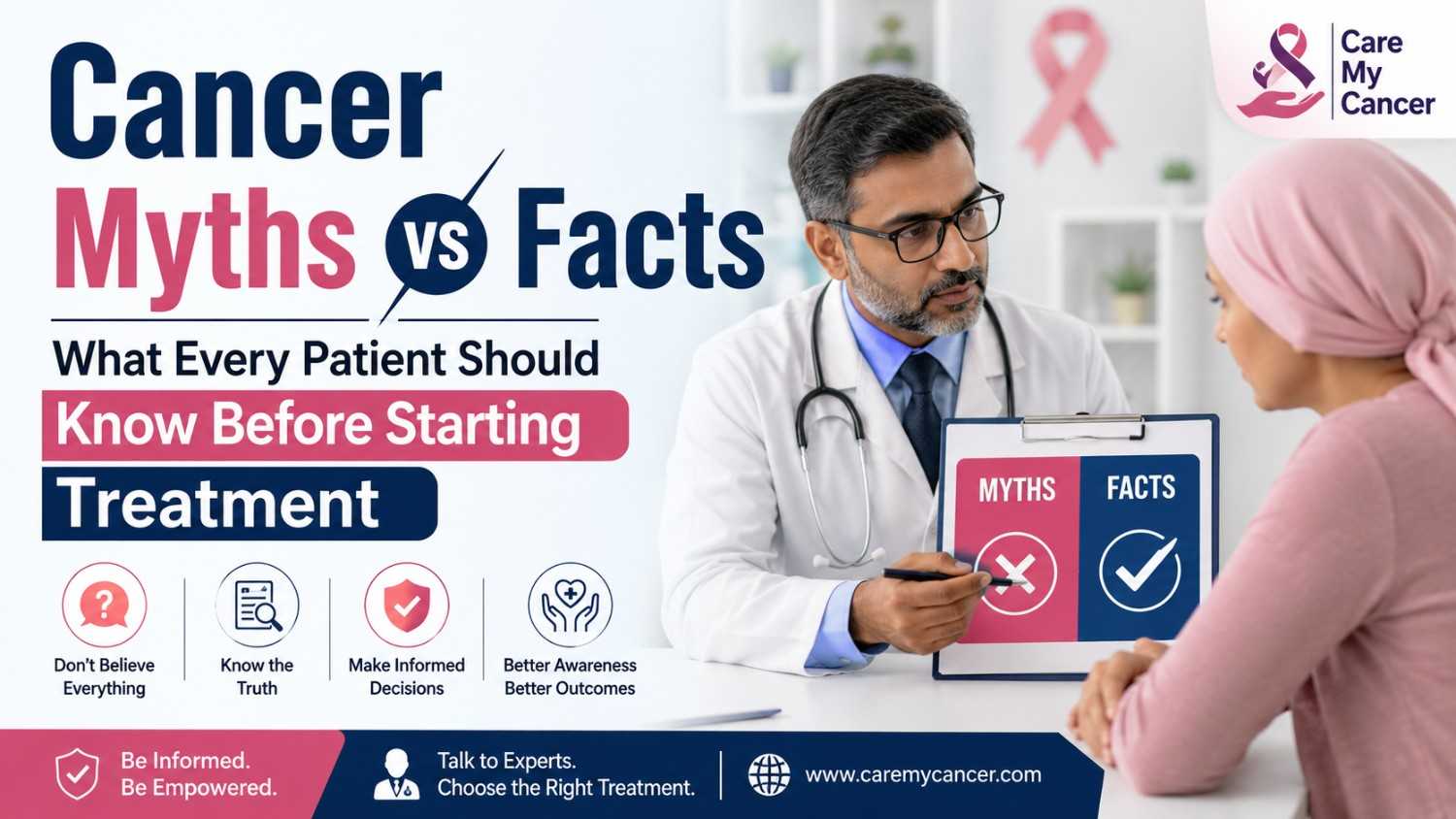
A cancer diagnosis often brings fear, confusion, and countless questions. Unfortunately, it also exposes patients and their families to misinformation. From social media posts to word-of-mouth advice, many myths about cancer continue to circulate, making it difficult to separate facts from fiction.
Believing these myths can delay treatment, increase anxiety, and even affect recovery. That’s why understanding the truth about cancer is essential before beginning any treatment plan.
If you or a loved one has recently been diagnosed, this guide will help you understand the most common cancer myths vs facts so you can make informed decisions with confidence. Consulting the best cancer surgeon in Lucknow or an experienced oncology specialist is always the safest way to receive accurate medical advice.
Why It Is Important to Know the Facts About Cancer
Cancer treatment has advanced significantly over the past two decades. Modern surgical techniques, targeted therapy, immunotherapy, precision medicine, and robotic-assisted procedures have improved outcomes for many patients.
However, misinformation often causes people to:
- Delay diagnosis
- Avoid surgery unnecessarily
- Choose unproven alternative treatments
- Lose valuable treatment time
- Experience unnecessary fear
Learning the facts allows patients to actively participate in treatment decisions and improve their chances of successful recovery.
Myth 1: Cancer Always Means Death
Fact
One of the biggest myths is that cancer is always fatal.
The reality is that many cancers are highly treatable, especially when detected early. Advances in medical science have significantly increased survival rates for cancers such as:
- Breast cancer
- Colon cancer
- Oral cancer
- Thyroid cancer
- Prostate cancer
- Cervical cancer
Today, millions of cancer survivors live healthy and fulfilling lives after successful treatment.
Early diagnosis remains one of the most important factors influencing survival.
Also Read: Expert Cardiac Care Tips for Maintaining a Healthy Heart
Myth 2: Surgery Causes Cancer to Spread
Fact
This is among the oldest and most widespread misconceptions.
Modern cancer surgery does not cause cancer to spread. Cancer surgeons use highly specialized techniques designed to remove tumors safely while minimizing the risk of spreading cancer cells.
In many cases, surgery offers the best chance for complete cure, especially when the cancer is localized.
Choosing the best cancer surgeon in Lucknow ensures that surgery is performed using internationally accepted surgical protocols and advanced technology.
Myth 3: If You Feel Fine, You Don’t Have Cancer
Fact
Many cancers develop silently during their early stages.
Patients may have no symptoms until the disease becomes more advanced.
Examples include:
- Colon cancer
- Kidney cancer
- Liver cancer
- Ovarian cancer
Routine health checkups and cancer screening can detect cancer before symptoms appear.
Myth 4: Cancer Is Contagious
Fact
Cancer cannot spread from one person to another through:
- Touching
- Hugging
- Sharing food
- Kissing
- Living together
Patients need emotional support—not isolation.
Family members should continue providing love, care, and encouragement throughout treatment.
Myth 5: Sugar Feeds Cancer
Fact
This statement is often misunderstood.
All cells in the human body, including healthy cells, use glucose for energy.
Although excessive sugar intake is unhealthy and may contribute to obesity (which increases cancer risk), eliminating sugar completely will not stop cancer growth.
Instead, patients should focus on a balanced diet rich in:
- Fresh fruits
- Vegetables
- Whole grains
- Lean proteins
- Healthy fats
A qualified nutritionist can recommend the best diet during cancer treatment.
Myth 6: Herbal Medicines Alone Can Cure Cancer
Fact
Many herbal remedies claim to cure cancer naturally, but there is no scientific evidence proving that herbal treatments alone can eliminate cancer.
Some herbs may even interfere with chemotherapy or increase surgical risks.
Patients should never replace evidence-based treatment with unproven remedies.
Always discuss any supplements or herbal medicines with your oncologist before using them.
Myth 7: Chemotherapy Is the Only Treatment for Cancer
Fact
Cancer treatment depends on several factors, including:
- Cancer type
- Stage
- Tumor location
- Patient’s age
- Overall health
Treatment options may include:
- Surgery
- Chemotherapy
- Radiation therapy
- Immunotherapy
- Targeted therapy
- Hormone therapy
- Robotic surgery
Many patients may not require chemotherapy at all.
Your treatment plan is personalized based on your diagnosis.
Myth 8: Biopsy Makes Cancer Spread
Fact
This myth has been disproven by decades of research.
A biopsy is a safe diagnostic procedure that helps doctors identify:
- Cancer type
- Tumor grade
- Stage
- Treatment options
Without a biopsy, proper treatment planning is often impossible.
Modern biopsy techniques are safe and routinely performed worldwide.
Myth 9: Cancer Surgery Is Always Major Surgery
Fact
Not every cancer surgery involves a large incision.
Today, many cancers can be treated using minimally invasive techniques such as:
- Laparoscopic surgery
- Robotic-assisted surgery
- Endoscopic procedures
These approaches often provide:
- Smaller scars
- Less pain
- Shorter hospital stay
- Faster recovery
- Lower risk of complications
Patients seeking advanced surgical care should consult an experienced colon cancer surgeon in Lucknow if diagnosed with colorectal cancer.
Myth 10: Once Cancer Is Treated, Follow-Up Is Not Necessary
Fact
Regular follow-up appointments remain essential even after successful treatment.
Follow-up helps doctors:
- Detect recurrence early
- Monitor recovery
- Manage treatment side effects
- Improve long-term health
Skipping follow-up visits may delay detection of recurrence.
Common Warning Signs That Should Never Be Ignored
Although symptoms vary depending on cancer type, patients should seek medical evaluation if they experience:
- Persistent unexplained weight loss
- Blood in stool or urine
- Chronic cough
- Difficulty swallowing
- Long-lasting mouth ulcers
- Persistent abdominal pain
- Changes in bowel habits
- Lump anywhere in the body
- Non-healing wounds
- Unusual bleeding
Early evaluation significantly improves treatment success.
How Patients Can Prepare Before Starting Cancer Treatment
Being well-prepared helps reduce anxiety and improves treatment outcomes.
Consider these important steps:
Learn About Your Diagnosis
Understand:
- Cancer type
- Stage
- Treatment options
- Expected outcomes
Choose an Experienced Cancer Specialist
Selecting an experienced oncology team ensures access to evidence-based treatment, advanced surgical techniques, and comprehensive care. If surgery is recommended, consulting the best cancer surgeon in Lucknow can help you understand the available options and make an informed decision.
Ask Questions
Do not hesitate to ask your doctor:
- Why is this treatment recommended?
- Are there alternatives?
- What are the possible side effects?
- What is the expected recovery time?
Maintain Good Nutrition
Healthy eating supports immunity and recovery throughout treatment.
Stay Physically Active
Light exercise, as advised by your doctor, can improve strength, reduce fatigue, and support overall well-being.
Build a Support System
Family, friends, caregivers, and support groups play an important role in emotional recovery during cancer treatment.
Why Accurate Medical Information Matters
The internet contains valuable educational resources, but it also spreads misinformation quickly.
Patients should rely on:
- Qualified oncologists
- Surgical oncologists
- Government health organizations
- Reputed cancer hospitals
- Peer-reviewed medical research
Avoid making treatment decisions based solely on social media, forwarded messages, or unverified websites.
For colorectal cancers, consulting a skilled colon cancer surgeon in Lucknow can provide clarity on diagnosis, treatment options, and expected outcomes based on your specific condition.
Final Thoughts
Cancer treatment has evolved tremendously, offering hope to millions of patients worldwide. Unfortunately, myths and misconceptions continue to create unnecessary fear and confusion. Understanding the facts empowers patients to make informed decisions, seek timely care, and approach treatment with greater confidence.
Whether it’s believing that surgery spreads cancer, assuming chemotherapy is the only option, or relying on unproven remedies, misinformation can delay life-saving treatment. Always discuss your concerns with a qualified oncology team and follow a personalized treatment plan based on scientific evidence.
If surgery is part of your treatment, consulting the best cancer surgeon in Lucknow ensures expert guidance and advanced care. Likewise, patients diagnosed with colorectal malignancies should seek advice from an experienced colon cancer surgeon in Lucknow for the most appropriate surgical approach.
FAQs
1. Does cancer surgery spread cancer?
No. Modern surgical techniques are designed to remove tumors safely without causing cancer to spread.
2. Can cancer be cured without medical treatment?
There is no scientific evidence that alternative therapies alone can cure cancer. Evidence-based treatment remains the standard of care.
3. Is chemotherapy required for every cancer patient?
No. Treatment depends on the type, stage, and characteristics of the cancer. Some patients may only require surgery, radiation, or other therapies.
4. Why are follow-up visits important after cancer treatment?
Follow-up appointments help detect recurrence early, monitor recovery, and manage any long-term effects of treatment.
5. How do I choose the right cancer surgeon?
Look for a qualified surgical oncologist with relevant experience, access to advanced treatment options, strong patient outcomes, and care provided at a reputable cancer center.
About the Author