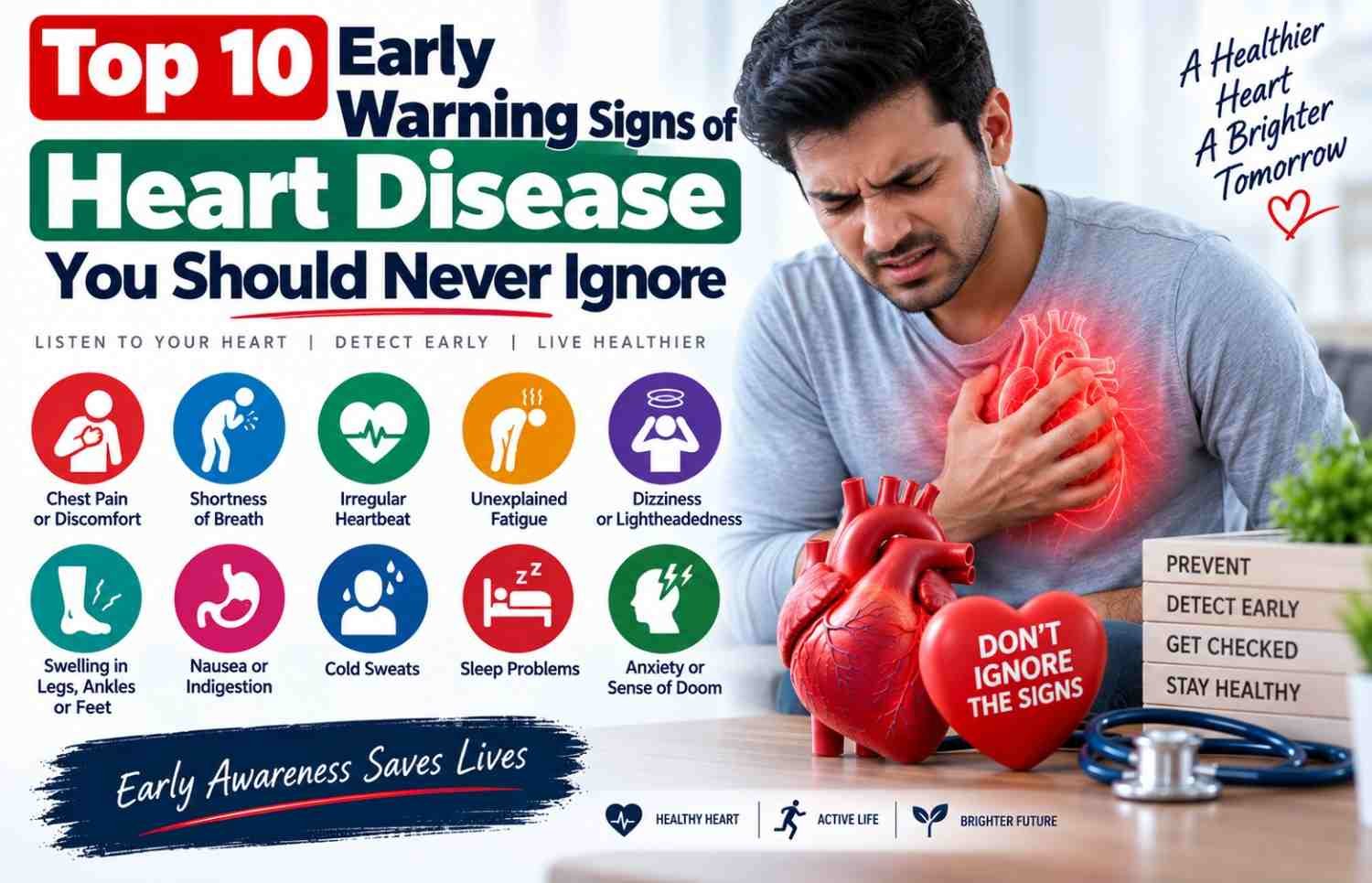
Heart disease remains one of the leading causes of death worldwide. The alarming part is that many people ignore the early warning signs until a serious event such as a heart attack occurs. Your heart often gives subtle signals when something is wrong, and recognizing these symptoms early can help prevent life-threatening complications.
Understanding the warning signs of heart disease can help you seek timely medical attention and improve your chances of successful treatment. If you experience any of the symptoms mentioned below, it is important to consult a qualified cardiologist immediately.
1. Chest Pain or Discomfort
Chest pain is one of the most common warning signs of heart disease. It may feel like pressure, tightness, squeezing, burning, or heaviness in the chest. While not every chest pain is heart-related, recurring or persistent discomfort should never be ignored.
The pain may occur during physical activity, emotional stress, or even while resting. If chest pain lasts for several minutes or returns repeatedly, seek medical evaluation as soon as possible.
2. Shortness of Breath
Difficulty breathing during routine activities such as walking, climbing stairs, or even while resting can indicate an underlying heart problem. When the heart is unable to pump blood efficiently, fluid may accumulate in the lungs, causing breathlessness.
Many people mistakenly attribute shortness of breath to aging, lack of fitness, or respiratory issues. However, it can be an early sign of heart failure or coronary artery disease.
3. Unusual Fatigue
Feeling tired after a long day is normal, but persistent and unexplained fatigue is different. If you find yourself exhausted even after adequate rest, your heart may not be delivering enough oxygen-rich blood to your body’s tissues.
Women, in particular, often report unusual fatigue as an early symptom before a heart attack. Sudden or prolonged tiredness should not be ignored, especially if accompanied by other symptoms.
4. Irregular Heartbeat or Palpitations
An occasional skipped heartbeat is usually harmless. However, frequent palpitations, racing heartbeats, or irregular rhythms may indicate an underlying cardiac condition.
You may feel fluttering, pounding, or rapid beating in your chest. Conditions such as arrhythmias can increase the risk of stroke and other cardiovascular complications if left untreated.
Also Read: 7 Reasons Why Patients Prefer a Top Ayurvedic Doctor in Lucknow Over Conventional Treatments
5. Dizziness or Lightheadedness
Feeling dizzy, faint, or unsteady can occur when the brain does not receive enough blood flow. Heart rhythm disorders, low blood pressure, or blocked arteries can contribute to these symptoms.
If dizziness occurs repeatedly or is accompanied by chest pain, shortness of breath, or fainting, it requires immediate medical attention.
6. Swelling in the Legs, Ankles, or Feet
Swelling in the lower extremities, also known as edema, can be a sign of heart failure. When the heart struggles to pump blood effectively, fluid can accumulate in various parts of the body.
Many people dismiss swelling as a result of standing for long periods. However, persistent swelling should be evaluated by a healthcare professional to determine the underlying cause.
7. Pain in the Neck, Jaw, Shoulder, or Arm
Heart disease does not always cause chest pain alone. Discomfort may radiate to other parts of the body, including the neck, jaw, shoulders, back, or left arm.
This symptom is particularly important because many individuals do not associate these pains with heart problems. If the pain occurs alongside chest discomfort or shortness of breath, it may signal a heart attack.
8. Excessive Sweating
Sudden cold sweats without physical exertion can be a warning sign of a heart problem. The body may react to reduced blood flow by triggering excessive sweating.
While sweating can occur for many reasons, unexplained sweating combined with chest discomfort, nausea, or dizziness should never be overlooked.
9. Persistent Cough
A chronic cough that produces white or pink mucus may indicate heart failure. This happens when fluid builds up in the lungs due to the heart’s inability to pump blood effectively.
Although coughs are commonly linked to respiratory infections, persistent symptoms should be evaluated, particularly if accompanied by breathlessness or fatigue.
10. Nausea, Indigestion, or Stomach Discomfort
Many people are surprised to learn that heart disease can sometimes mimic digestive problems. Nausea, indigestion, bloating, or stomach discomfort may occur during a cardiac event.
These symptoms are more common in women and older adults. If digestive discomfort appears alongside other warning signs, it is essential to seek medical advice promptly.
Who Is at Higher Risk of Heart Disease?
Certain factors significantly increase the risk of developing heart disease, including:
- High blood pressure
- High cholesterol levels
- Diabetes
- Obesity
- Smoking
- Physical inactivity
- Family history of heart disease
- Excessive alcohol consumption
- Chronic stress
If you have one or more of these risk factors, regular heart health checkups become even more important.
How to Protect Your Heart
Prevention plays a crucial role in maintaining cardiovascular health. Here are some effective ways to reduce your risk:
Follow a Heart-Healthy Diet
Consume fruits, vegetables, whole grains, lean proteins, and healthy fats while limiting processed foods, sugar, and excessive salt.
Exercise Regularly
Aim for at least 150 minutes of moderate physical activity every week.
Quit Smoking
Smoking damages blood vessels and significantly increases the risk of heart disease.
Manage Stress
Practice meditation, yoga, deep breathing, or other stress-relief techniques.
Monitor Blood Pressure and Cholesterol
Regular health screenings can help identify problems before they become serious.
When Should You See a Cardiologist?
If you notice any of the warning signs discussed above, do not delay seeking professional medical care. Early diagnosis can prevent complications and improve treatment outcomes.
For residents of Gorakhpur and nearby areas, consulting an experienced cardiologist can help identify heart problems at an early stage. Dr. Deepak Verma, recognized by many patients as a best cardiologist in Gorakhpur, provides comprehensive cardiac evaluation and treatment. If you are experiencing symptoms related to heart health, consulting a qualified heart doctor in Gorakhpur can help ensure timely diagnosis and proper care.
Conclusion
Heart disease often develops gradually, but the body usually provides warning signs before a serious event occurs. Chest pain, shortness of breath, unusual fatigue, irregular heartbeat, dizziness, swelling, and other symptoms should never be ignored.
Early recognition and timely medical intervention can save lives. If you or a loved one experiences any of these symptoms, schedule a heart health assessment without delay. Staying informed, adopting a healthy lifestyle, and seeking guidance from experts like Dr. Deepak Verma, a trusted heart specialist doctor in Gorakhpur, can go a long way in protecting your heart and overall well-being.
About the Author