Oxygen plays an essential role in keeping the human body healthy. Every cell, tissue, and organ needs an adequate supply of oxygen to perform its functions properly. From supporting energy production to repairing damaged tissues and fighting infections, oxygen is involved in almost every important biological process. However, certain medical conditions, injuries, and circulation problems can reduce the amount of oxygen reaching different parts of the body. When tissues do not receive enough oxygen, healing may become slower, and the risk of complications can increase.
This is where Hyperbaric Oxygen Therapy (HBOT) can help. It is a specialized medical treatment that involves breathing pure oxygen inside a pressurized chamber. By increasing the amount of oxygen dissolved in the blood plasma, HBOT helps deliver more oxygen to areas where the normal blood supply may be limited.
Understanding how this treatment works can help patients learn about its potential benefits, medical applications, and role in supporting tissue recovery.
What Is Hyperbaric Oxygen Therapy?
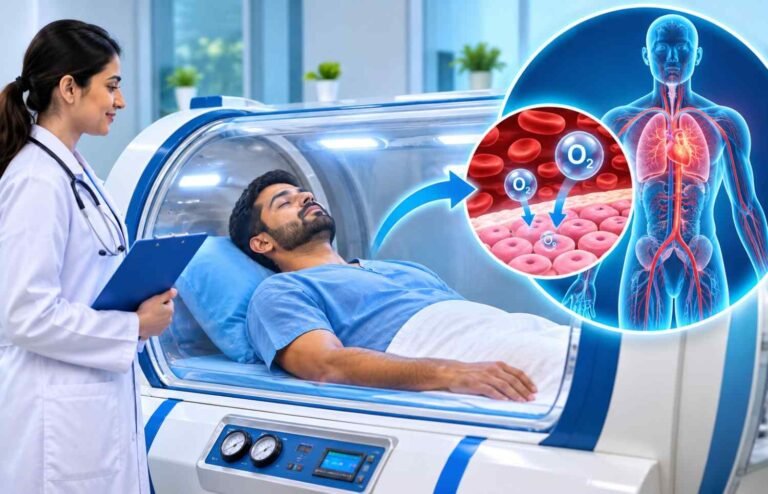
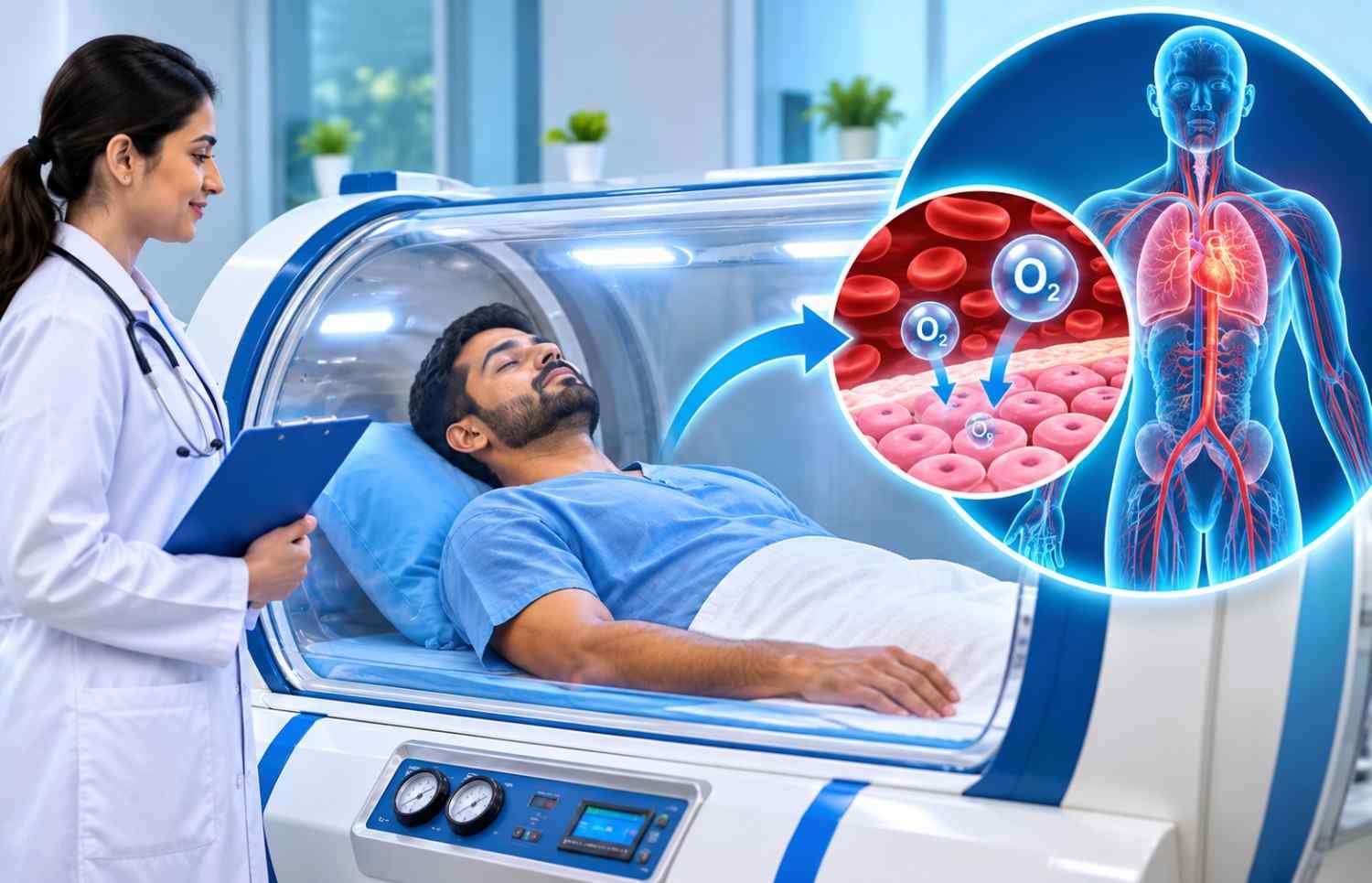
Hyperbaric Oxygen Therapy is a medical treatment in which patients breathe nearly 100% oxygen inside a specially designed chamber at a pressure higher than normal atmospheric pressure.
Under ordinary conditions, most oxygen in the bloodstream is carried by red blood cells through a protein called hemoglobin. However, during hyperbaric treatment, increased atmospheric pressure allows significantly more oxygen to dissolve directly into the blood plasma.
This additional dissolved oxygen can travel beyond the usual oxygen delivery pathways and reach tissues that may not receive sufficient oxygen because of swelling, injury, or compromised circulation.
HBOT is performed under medical supervision, with treatment pressure and duration determined according to the patient’s condition.
How Does Hyperbaric Oxygen Therapy Increase Oxygen Supply?
The primary purpose of HBOT is to increase oxygen availability throughout the body, particularly in tissues experiencing oxygen deficiency.
Here is how the process works:
1. Breathing Pure Oxygen Under Increased Pressure
During an HBOT session, patients enter a specialized chamber where atmospheric pressure is increased above normal levels. They breathe pure oxygen through an appropriate delivery system.
The increased pressure allows the lungs to absorb more oxygen than they normally would under everyday atmospheric conditions.
As a result, oxygen levels in the bloodstream increase considerably.
2. Increasing Oxygen Dissolved in Blood Plasma
Normally, hemoglobin carries most of the oxygen in the blood. However, under hyperbaric conditions, oxygen also dissolves directly into the liquid portion of the blood, known as plasma.
This is an important part of how HBOT works.
Plasma can transport dissolved oxygen to areas where red blood cell circulation may be restricted. This helps improve oxygen availability in tissues affected by poor circulation or injury.
3. Delivering Oxygen to Damaged Tissues
Injured tissues often experience swelling and reduced blood flow. These changes can limit the amount of oxygen reaching the affected area.
Hyperbaric oxygen therapy increases the oxygen content of the blood, helping oxygen reach tissues that may otherwise struggle to receive an adequate supply.
This increased oxygen availability supports normal cellular activities and creates conditions that can assist the body’s natural healing processes.
4. Supporting Tissue Repair and Recovery
Cells require oxygen to produce energy and maintain essential functions. When oxygen levels are insufficient, these activities can become less efficient.
By increasing oxygen availability, HBOT can support several biological processes involved in tissue repair, including collagen formation, cellular activity, and the development of new blood vessels.
These processes may contribute to improved healing in certain medical conditions.
Major Ways HBOT Supports Tissue Health
Hyperbaric oxygen therapy does more than increase oxygen levels in the bloodstream. It can also influence several biological mechanisms associated with healing and recovery.
1. Supports New Blood Vessel Formation
The formation of new blood vessels is known as angiogenesis. It plays an important role in repairing damaged tissues and improving long-term blood supply.
HBOT can stimulate biological signals involved in angiogenesis, particularly in certain chronic wounds and poorly oxygenated tissues.
Over time, these changes may help improve oxygen delivery to affected areas.
2. Helps Reduce Tissue Swelling
Swelling is a common response to injuries, infections, and inflammation. Excessive swelling can compress small blood vessels and reduce oxygen delivery to surrounding tissues.
Hyperbaric oxygen therapy can produce blood vessel constriction while maintaining increased oxygen availability in the plasma.
This effect may help reduce certain types of tissue swelling without significantly compromising oxygen delivery.
3. Supports Collagen Production
Collagen is an important structural protein required for wound healing and tissue strength.
The body needs oxygen for several stages of collagen formation. Adequate oxygen availability supports the enzymes involved in collagen production.
By increasing oxygen levels in damaged tissues, HBOT may help create favorable conditions for wound repair.
4. Helps the Body Fight Certain Infections
Oxygen plays an important role in the immune system’s ability to fight harmful microorganisms.
Certain white blood cells use oxygen-dependent mechanisms to destroy bacteria. Increasing oxygen availability may improve these activities in selected conditions.
HBOT is also used as an additional treatment for specific serious infections, including certain clostridial infections and selected complicated soft tissue infections.
However, it does not replace antibiotics, surgery, or other essential medical treatments.
5. Supports Recovery in Poorly Healing Wounds
Chronic wounds, especially diabetic foot ulcers, can develop when circulation problems and tissue damage interfere with normal healing.
In appropriately selected patients, HBOT may improve oxygen availability and support the healing process.
It is generally considered alongside standard wound care, infection management, blood sugar control, and proper circulation assessment.
Medical Conditions Where Hyperbaric Oxygen Therapy May Be Used
Hyperbaric oxygen therapy has several established medical applications. Doctors may recommend it for specific conditions where increasing oxygen availability can provide clinical benefits.
Some recognized applications include:
- Diabetic foot ulcers: As an additional treatment for selected patients with difficult-to-heal diabetic wounds.
- Radiation tissue injuries: To help manage certain delayed tissue injuries following radiation therapy.
- Carbon monoxide poisoning: To reduce the effects of severe carbon monoxide exposure in appropriately selected patients.
- Decompression sickness: To treat pressure-related injuries commonly associated with scuba diving.
- Compromised skin grafts and flaps: To support the survival of tissues affected by inadequate blood supply.
- Certain serious infections: Including gas gangrene and selected necrotizing soft tissue infections.
- Crush injuries: To support treatment in certain traumatic injuries involving damaged tissues.
The suitability of HBOT depends on the diagnosis, severity of the condition, and overall health of the patient.
Also Read: Ayurvedic Treatment for Joint Pain and Arthritis: What You Should Know
What Happens During a Hyperbaric Oxygen Therapy Session?
Many patients feel more comfortable when they understand what to expect before beginning treatment.
A typical HBOT session involves the following steps:
Step 1: Medical Evaluation
The doctor reviews the patient’s medical history, current condition, medications, and suitability for treatment.
Step 2: Entering the Chamber
The patient enters a specially designed hyperbaric chamber. Depending on the facility, the chamber may accommodate one person or multiple patients.
Step 3: Increasing Chamber Pressure
The pressure inside the chamber is gradually increased to the prescribed treatment level.
Step 4: Breathing Oxygen
The patient breathes oxygen during the treatment period. The medical team monitors the session and checks for any discomfort.
Step 5: Gradual Pressure Reduction
Once the session is complete, chamber pressure is slowly returned to normal atmospheric pressure.
A session commonly lasts around 90–120 minutes, although treatment duration varies depending on the medical condition and prescribed protocol.
Who Should Consider Hyperbaric Oxygen Therapy?
HBOT may be considered for patients diagnosed with medical conditions for which hyperbaric treatment has an established or recognized role.
Individuals with selected chronic wounds, radiation-related tissue injuries, certain infections, or other approved indications may benefit from a specialist evaluation.
However, it is not a universal treatment for every health problem.
Patients with certain medical conditions, particularly an untreated pneumothorax (collapsed lung), may not be suitable candidates. Other conditions, medications, and potential risks must also be reviewed before treatment.
A qualified healthcare professional should determine whether HBOT is appropriate.
Are There Any Side Effects of Hyperbaric Oxygen Therapy?
Although HBOT is generally well tolerated when properly administered, some patients may experience temporary side effects.
Commonly reported effects include:
- Ear pressure or discomfort.
- Sinus discomfort.
- Temporary changes in vision.
- Fatigue after treatment.
- Claustrophobia inside the chamber.
Rare but serious complications can include oxygen toxicity, seizures, and lung-related pressure injuries.
Following medical instructions and receiving treatment at a properly supervised facility can help minimize potential risks.
Finding Hyperbaric Oxygen Therapy in Mumbai and Delhi
Patients looking for specialized oxygen-based treatment often explore medical facilities in major cities.
If you are researching hyperbaric oxygen therapy Mumbai, consider choosing a facility that provides medically supervised treatment, appropriate patient assessment, and qualified healthcare professionals.
Similarly, people searching for hyperbaric oxygen therapy Delhi should check whether the treatment centre follows established medical protocols and offers appropriate monitoring throughout each session.
Before starting treatment, discuss your diagnosis, expected benefits, possible risks, and treatment alternatives with a qualified doctor. The availability of HBOT does not automatically mean it is suitable for every patient.
Conclusion
Hyperbaric Oxygen Therapy is an important medical treatment that increases oxygen availability in the body by allowing more oxygen to dissolve directly into the blood plasma. This additional oxygen can reach tissues where normal circulation may be compromised, supporting several biological processes associated with healing and recovery.
From assisting selected patients with chronic wounds to managing certain radiation injuries and serious infections, HBOT has an established role in specific medical situations.
However, successful treatment depends on proper patient selection, medical supervision, and an appropriate treatment plan. Anyone considering hyperbaric oxygen therapy should consult a qualified healthcare professional to understand whether it is suitable for their condition.
Frequently Asked Questions (FAQs)
1. How does hyperbaric oxygen therapy improve oxygen supply to tissues?
HBOT increases atmospheric pressure, allowing more oxygen to dissolve directly into blood plasma. This helps transport additional oxygen to tissues that may have limited blood circulation.
2. How many HBOT sessions are required?
The number of sessions depends on the patient’s medical condition, treatment goals, and response. Some conditions require multiple sessions over several weeks.
3. Can hyperbaric oxygen therapy help with wound healing?
Yes. HBOT may support healing in selected difficult-to-heal wounds by increasing tissue oxygen levels and supporting collagen formation and new blood vessel development.
4. Is hyperbaric oxygen therapy safe?
It is generally considered safe when administered under appropriate medical supervision. However, temporary side effects and rare complications are possible.
5. Does hyperbaric oxygen therapy improve blood circulation?
HBOT does not directly correct blocked arteries or permanently restore normal circulation. However, it increases oxygen dissolved in plasma and may improve oxygen availability in certain poorly oxygenated tissues.
About the Author