A healthy heart is the foundation of a healthy life. The heart works tirelessly every second of the day, pumping blood and oxygen throughout the body to support vital functions. However, modern lifestyles, unhealthy eating habits, stress, lack of physical activity, and increasing rates of obesity have contributed to a rise in cardiovascular diseases worldwide.
The good news is that maintaining heart health is possible with the right lifestyle choices and preventive care. Cardiac specialists consistently emphasize that small, daily habits can significantly reduce the risk of heart disease and improve overall well-being. In this article, we explore expert cardiac care tips that can help you maintain a strong and healthy heart for years to come.
Why Heart Health Matters
Heart disease remains one of the leading causes of death globally. Conditions such as coronary artery disease, heart failure, hypertension, and arrhythmias can develop gradually and often show few symptoms in the early stages.
Maintaining heart health is not only about preventing disease but also about improving energy levels, enhancing physical performance, supporting mental well-being, and increasing longevity. By following expert cardiac care recommendations, individuals can proactively protect their cardiovascular system and enjoy a better quality of life.
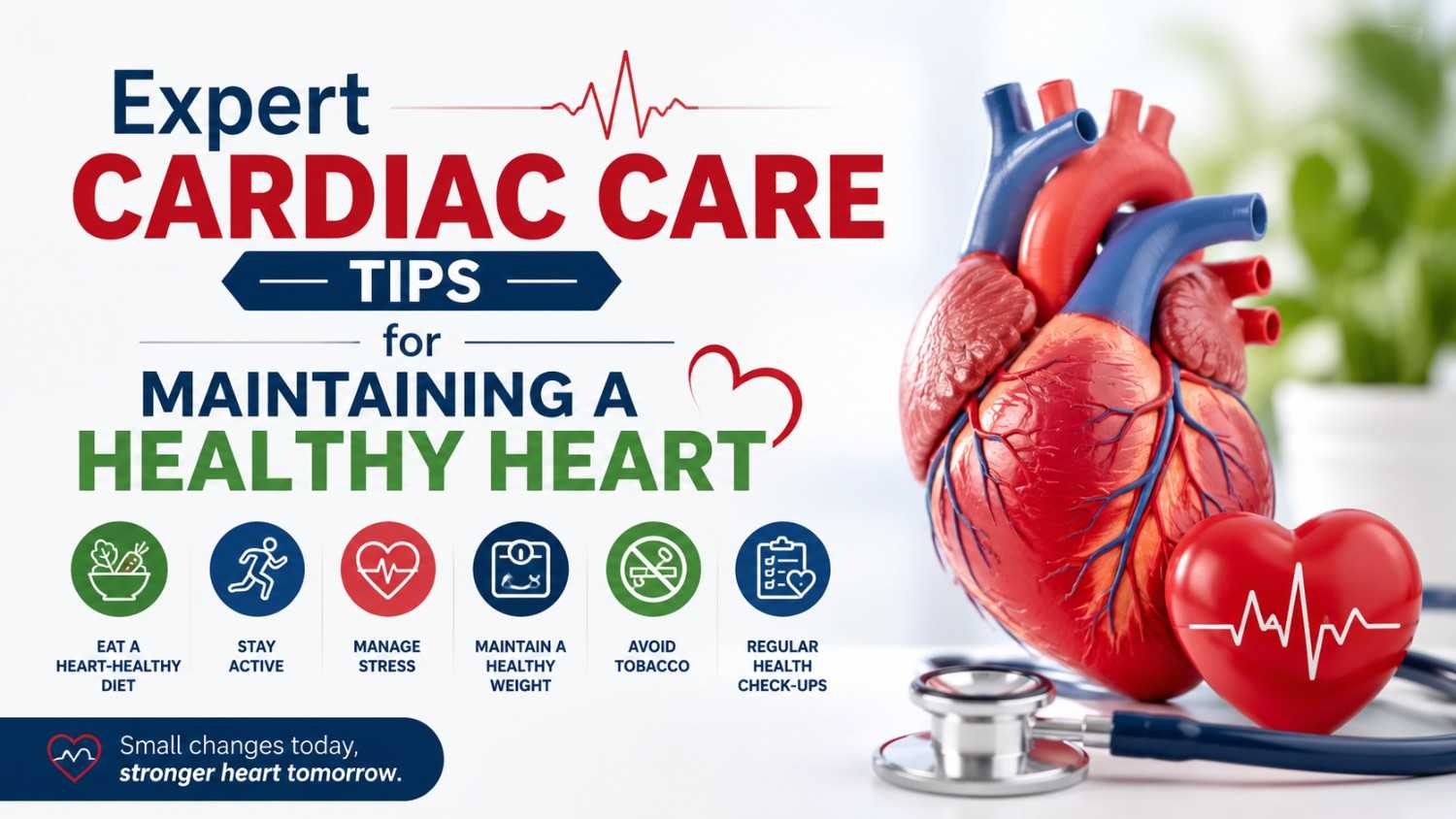
1. Follow a Balanced and Nutritious Diet
One of the most important steps toward a healthy heart is eating a balanced diet. The foods you consume directly impact blood pressure, cholesterol levels, body weight, and overall cardiovascular health.
Cardiac experts recommend including:
- Fresh fruits and vegetables
- Whole grains
- Lean proteins such as fish and poultry
- Nuts and seeds
- Healthy fats from olive oil and avocados
At the same time, it is important to limit processed foods, sugary beverages, excessive salt, and foods rich in saturated and trans fats. A nutrient-rich diet helps reduce inflammation, supports healthy blood vessels, and lowers the risk of cardiovascular complications.
2. Stay Physically Active Every Day
Regular physical activity strengthens the heart muscle and improves blood circulation. Exercise helps maintain healthy blood pressure levels, supports weight management, and reduces the risk of chronic diseases.
Experts generally recommend at least 30 minutes of moderate exercise on most days of the week. Activities that benefit heart health include:
- Brisk walking
- Cycling
- Swimming
- Jogging
- Dancing
- Yoga
Even simple lifestyle changes, such as taking short walks after meals or using stairs instead of elevators, can contribute to better cardiovascular fitness.
3. Maintain a Healthy Weight
Excess body weight increases the workload on the heart and raises the risk of conditions such as hypertension, diabetes, and high cholesterol.
Achieving a healthy weight requires a combination of balanced nutrition and regular physical activity. Rather than focusing on rapid weight loss, experts recommend sustainable lifestyle changes that support long-term health.
Monitoring waist circumference and body mass index can help assess cardiovascular risk and guide healthy weight management strategies.
4. Keep Blood Pressure Under Control
High blood pressure is often referred to as a silent condition because it may not produce noticeable symptoms while causing significant damage to the heart and blood vessels.
Regular blood pressure monitoring is essential for early detection and management. To maintain healthy blood pressure levels:
- Reduce sodium intake
- Exercise regularly
- Manage stress
- Maintain a healthy weight
- Avoid smoking
Following these practices can significantly reduce the risk of heart attacks, strokes, and other cardiovascular events.
5. Manage Cholesterol Levels
Cholesterol is a fatty substance found in the blood. While the body needs some cholesterol to function properly, excessive levels of low-density lipoprotein (LDL) cholesterol can lead to plaque buildup in arteries.
Experts recommend regular cholesterol screenings, especially for adults over 40 or those with cardiovascular risk factors.
Healthy dietary habits, physical activity, and avoiding tobacco use can help maintain healthy cholesterol levels and support optimal heart function.
Also Read: Expert Ayurvedic Care in Lucknow for Digestive, Liver, and Lifestyle Disorders
6. Avoid Smoking and Tobacco Products
Smoking is one of the most harmful habits for heart health. Tobacco chemicals damage blood vessels, reduce oxygen levels in the blood, and increase the risk of heart disease.
Quitting smoking provides immediate and long-term cardiovascular benefits. Within weeks of quitting, circulation begins to improve, and over time the risk of heart disease decreases substantially.
Individuals seeking support should consider counseling, support groups, or smoking cessation programs to increase their chances of success.
7. Learn Effective Stress Management
Chronic stress can have a significant impact on cardiovascular health. Stress may contribute to high blood pressure, unhealthy eating habits, poor sleep quality, and increased inflammation.
Cardiac specialists encourage adopting stress-reducing techniques such as:
- Meditation
- Deep breathing exercises
- Yoga
- Mindfulness practices
- Spending time outdoors
- Engaging in hobbies
Managing stress effectively supports both emotional well-being and cardiovascular health.
8. Prioritize Quality Sleep
Sleep is essential for the body’s recovery and repair processes. Poor sleep habits can increase the risk of obesity, diabetes, hypertension, and heart disease.
Most adults should aim for seven to nine hours of quality sleep every night. Good sleep hygiene practices include:
- Maintaining a consistent sleep schedule
- Limiting screen time before bed
- Avoiding caffeine late in the day
- Creating a comfortable sleeping environment
If sleep disturbances persist, consulting a healthcare professional is advisable.
9. Stay Hydrated and Limit Alcohol Intake
Proper hydration supports healthy blood circulation and overall bodily functions. Drinking adequate water throughout the day helps maintain cardiovascular efficiency.
At the same time, excessive alcohol consumption can negatively affect heart health by increasing blood pressure, contributing to weight gain, and causing irregular heart rhythms.
Moderation is key. Replacing sugary or alcoholic beverages with water and healthier alternatives can contribute to improved cardiovascular wellness.
10. Schedule Regular Heart Health Checkups
Preventive healthcare plays a critical role in identifying and managing cardiovascular risk factors before they become serious health concerns.
Routine cardiac evaluations may include:
- Blood pressure checks
- Cholesterol screening
- Blood sugar testing
- Electrocardiograms (ECG)
- Echocardiography
- Stress tests when necessary
Regular health assessments allow for early intervention and personalized treatment recommendations.
For individuals seeking advanced diagnostic services and comprehensive treatment options, consulting the best heart hospital in Gorakhpur can provide access to specialized cardiac care and modern medical facilities.
Recognize Early Warning Signs of Heart Problems
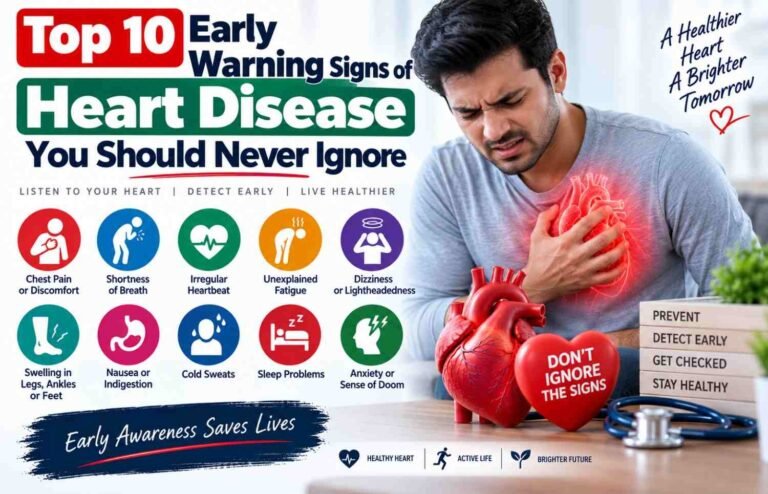
Understanding potential warning signs can help ensure timely medical attention. Symptoms that should never be ignored include:
- Chest pain or discomfort
- Shortness of breath
- Unexplained fatigue
- Irregular heartbeat
- Dizziness or fainting
- Swelling in the legs or ankles
Seeking immediate medical advice when these symptoms occur can improve treatment outcomes and prevent serious complications.
Patients looking for expert guidance and personalized treatment plans may benefit from consulting the best cardiologist in Gorakhpur for comprehensive cardiovascular evaluation and care.
The Importance of Preventive Cardiac Care
Preventive care is one of the most effective ways to reduce the burden of heart disease. Rather than waiting for symptoms to develop, experts recommend adopting healthy habits early and maintaining them consistently.
Preventive cardiac care focuses on:
- Risk factor management
- Healthy lifestyle choices
- Regular screenings
- Patient education
- Early diagnosis
This proactive approach helps individuals maintain optimal heart health and reduce the likelihood of future cardiovascular complications.
Conclusion
Maintaining a healthy heart requires commitment, awareness, and consistent lifestyle choices. From eating a balanced diet and staying physically active to managing stress, controlling blood pressure, and attending regular health checkups, every positive step contributes to stronger cardiovascular health.
Heart disease is often preventable, and even small changes can lead to significant long-term benefits. By following expert cardiac care tips and prioritizing preventive healthcare, individuals can protect their hearts, improve their quality of life, and enjoy a healthier future.
Remember, your heart works continuously to support every aspect of your life. Taking care of it today is one of the most valuable investments you can make for your long-term health and well-being.
About the Author