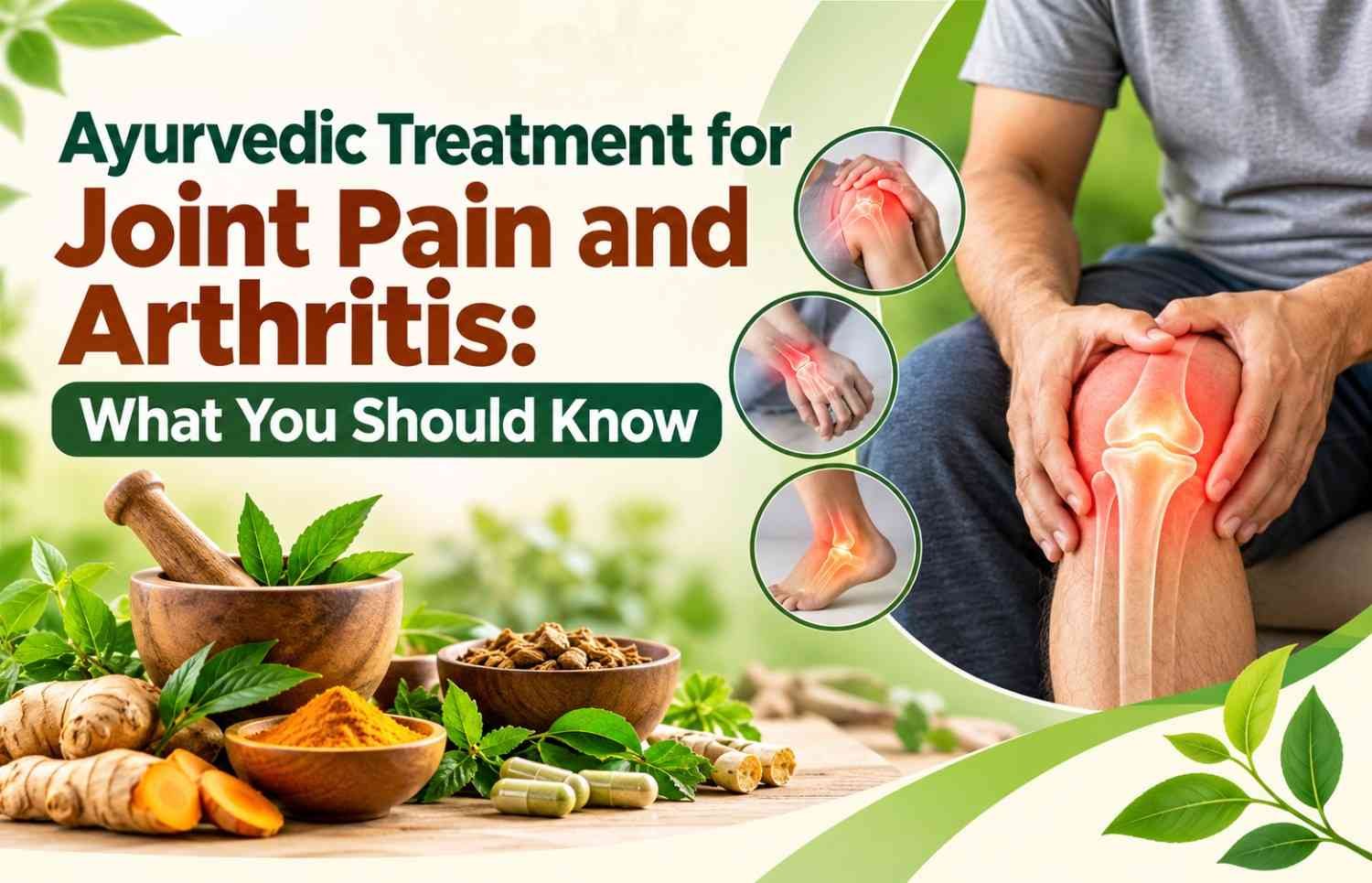
Joint pain and arthritis can make everyday activities challenging. Simple tasks such as walking, climbing stairs, getting out of bed, or holding objects may become uncomfortable when joints feel stiff or swollen. Although joint pain is commonly associated with ageing, it can affect people of different age groups due to injuries, inflammation, autoimmune conditions, or lifestyle factors.
Ayurveda offers a traditional approach to managing joint discomfort through personalized herbal preparations, dietary changes, lifestyle modifications, massage, and selected therapies. However, the right treatment depends on the underlying cause of the pain and the individual’s overall health.
If you are exploring Ayurvedic treatment for joint pain and arthritis, understanding the available options, their limitations, and the importance of medical evaluation can help you make an informed decision.
What Is Arthritis and Why Does Joint Pain Occur?
Arthritis is a broad term used for conditions that affect the joints. It may cause pain, swelling, stiffness, tenderness, and reduced mobility. The symptoms can develop gradually or appear suddenly, depending on the underlying condition.
Some common types of arthritis include:
- Osteoarthritis: A condition involving changes in joint cartilage and surrounding tissues, commonly affecting the knees, hips, hands, and spine.
- Rheumatoid arthritis: An autoimmune disease in which the immune system attacks the lining of the joints, causing inflammation.
- Gout: A form of inflammatory arthritis associated with uric acid crystal deposits in the joints.
- Psoriatic arthritis: An inflammatory condition associated with psoriasis that can affect joints and other tissues.
Joint pain may also result from muscle strain, injuries, infections, or other medical conditions.
Identifying the cause is essential because different types of arthritis require different treatment approaches.
How Does Ayurveda Approach Joint Pain and Arthritis?
Ayurveda is a traditional Indian system of medicine that focuses on an individual’s symptoms, lifestyle, digestion, dietary habits, and overall health. In Ayurvedic practice, joint discomfort may be assessed through concepts such as Vata dosha and the traditional understanding of Amavata.
Ayurvedic practitioners may recommend a combination of therapies based on the person’s condition and medical history. These approaches aim to support comfort, mobility, and general well-being.
However, traditional Ayurvedic concepts are not equivalent to modern medical diagnoses, and scientific evidence supporting Ayurveda as a treatment for arthritis remains limited. It should not replace proven medical treatment, particularly for inflammatory arthritis.
Common Ayurvedic Approaches for Joint Pain
Several traditional approaches may be considered as part of an individualized care plan.
1. Herbal Preparations
Certain herbs, including turmeric, ginger, and Boswellia, have been studied for their potential anti-inflammatory or pain-relieving properties. Some studies suggest that specific preparations may help reduce arthritis symptoms, but the quality of evidence varies.
An Ayurvedic practitioner may consider herbal formulations after reviewing the patient’s symptoms, existing medications, and health conditions.
It is important to remember that natural products are not automatically safe. Some Ayurvedic products may contain harmful contaminants, heavy metals, or ingredients that interact with medicines. Always choose products with appropriate quality testing and disclose their use to your healthcare provider.
2. Abhyanga (Therapeutic Oil Massage)
Abhyanga is a traditional Ayurvedic massage technique involving the application of oil to the body.
Gentle massage may help some people feel relaxed and temporarily relieve muscle tension around painful joints. However, evidence that it can treat the underlying causes of arthritis is limited.
Massage should be avoided over acutely swollen, hot, injured, or infected areas unless a qualified healthcare professional advises otherwise.
3. Swedana (Heat-Based Therapies)
Swedana refers to traditional therapies involving warmth or sweating. Some people find gentle warmth helpful for stiffness and muscle discomfort.
Warm compresses may offer temporary relief for chronic joint stiffness. However, excessive heat can worsen swelling in an actively inflamed joint. Heat-based therapies should be selected carefully, especially for people with reduced sensation, circulation problems, or other medical conditions.
4. Panchakarma Therapies
Panchakarma is a group of traditional Ayurvedic procedures that may be recommended by practitioners for selected conditions.
The specific therapies and their suitability vary from person to person. Although some individuals report improvements in comfort, strong clinical evidence establishing Panchakarma as an effective treatment for arthritis is lacking.
These procedures should only be considered after a proper medical assessment. They should not delay treatment for rheumatoid arthritis, gout, joint infections, or other conditions that require specific medical care.
Ayurvedic Diet and Lifestyle Tips for Healthy Joints
Diet and daily habits can influence physical activity, body weight, and overall joint health. Alongside appropriate medical care, several practical lifestyle changes may help manage symptoms.
Eat a Balanced, Nutritious Diet
Include vegetables, fruits, whole grains, pulses, nuts, seeds, and suitable sources of protein in your daily meals. Foods containing omega-3 fatty acids, such as certain fish, walnuts, and flaxseeds, may be useful components of a balanced diet.
Turmeric and ginger can be included in normal cooking if tolerated, but dietary use should not be confused with the proven treatment of arthritis.
No single diet has been established as a cure for arthritis. People with gout may need specific dietary guidance based on uric acid levels, kidney function, and prescribed treatment.
Maintain a Healthy Body Weight
Excess body weight can increase stress on weight-bearing joints, particularly the knees and hips. If you are overweight, gradual weight reduction may help reduce joint strain and improve mobility.
A healthcare professional or registered dietitian can help you choose a sustainable eating plan.
Stay Physically Active
Gentle, regular movement can help maintain flexibility, muscle strength, and joint function. Depending on your condition, suitable activities may include:
- Walking on a comfortable surface
- Swimming or water-based exercises
- Gentle stretching
- Physiotherapist-recommended strengthening exercises
- Low-impact yoga with appropriate modifications
Avoid forcing a painful joint through intense movements. A physiotherapist can help you develop a safe exercise routine based on the type and severity of arthritis.
Prioritize Rest and Sleep
Adequate sleep supports general health and helps you manage the daily impact of chronic pain. Alternate activity with short periods of rest when needed, but avoid prolonged inactivity unless medically advised.
When Should You Consult an Ayurvedic Doctor in Lucknow?
If joint pain continues for several days, repeatedly returns, or begins affecting your daily activities, seek a medical evaluation. A timely assessment can help identify whether the symptoms are related to osteoarthritis, rheumatoid arthritis, gout, an injury, or another condition.
When choosing an Ayurvedic doctor in Lucknow, look for a qualified and appropriately registered practitioner who takes a detailed medical history, reviews existing medicines, explains the expected benefits and limitations of treatment, and recommends referral when necessary.
An established Ayurvedic clinic in Lucknow may offer consultations focused on traditional treatment approaches, dietary guidance, and individualized lifestyle recommendations. Before beginning treatment, ask about the ingredients of prescribed products, possible side effects, treatment duration, and how progress will be evaluated.
Most importantly, Ayurvedic care should complement—not replace—necessary medical treatment. People with rheumatoid arthritis, for example, may need disease-modifying medicines to prevent permanent joint damage. Stopping prescribed medicines without medical advice can allow the disease to progress.
Also Read: Top 10 Early Warning Signs of Heart Disease You Should Never Ignore
Warning Signs That Require Immediate Medical Attention
Not every case of joint pain is suitable for routine home care or complementary treatment.
Seek urgent medical attention if you experience:
- Sudden, severe pain in one joint
- A joint that is hot, red, and significantly swollen
- Joint pain accompanied by fever or chills
- Inability to put weight on a joint after an injury
- Rapidly worsening swelling or movement restriction
A hot, swollen joint accompanied by fever may indicate a joint infection, which requires urgent assessment.
Can Ayurvedic Treatment Cure Arthritis Permanently?
There is currently insufficient high-quality scientific evidence to conclude that Ayurvedic treatment can permanently cure arthritis.
The outlook depends on the type of arthritis. Osteoarthritis is generally managed through exercise, weight management when appropriate, symptom relief, and other treatments tailored to the individual. Rheumatoid arthritis requires early diagnosis and effective medical treatment to control inflammation and reduce the risk of joint damage.
Some complementary approaches may help certain people manage discomfort, but results vary. Be cautious of anyone promising a guaranteed cure, permanent cartilage regeneration, or complete relief within a fixed number of days.
A realistic treatment plan should focus on improving function, reducing symptoms, protecting joint health, and maintaining quality of life.
Conclusion
Ayurvedic treatment for joint pain and arthritis may offer supportive approaches through traditional herbal preparations, massage, selected heat therapies, dietary guidance, and lifestyle changes. However, the effectiveness and safety of these methods depend on the specific treatment and the individual’s medical condition.
Before starting any new therapy, obtain an appropriate diagnosis and discuss your options with qualified healthcare professionals. If you are searching for an Ayurvedic clinic in Lucknow, choose one that emphasizes patient safety, transparent advice, and collaboration with conventional medical care when needed.
With the right combination of medical guidance, regular movement, balanced nutrition, and appropriate symptom management, many people with arthritis can improve their daily functioning and maintain a better quality of life.
Frequently Asked Questions (FAQs)
1. Which Ayurvedic treatment is commonly used for joint pain?
Ayurvedic practitioners may recommend herbal preparations, gentle oil massage, selected heat therapies, and dietary or lifestyle changes. The appropriate approach depends on the cause of joint pain, and evidence supporting these treatments varies.
2. How long does Ayurvedic treatment take to show results for arthritis?
The timeline varies according to the underlying condition, treatment, and severity of symptoms. Some supportive measures may provide temporary comfort, while chronic arthritis often requires ongoing management. There is no guaranteed timeline for improvement.
3. Can Ayurvedic medicine help with knee osteoarthritis?
Some herbal preparations have been studied for symptom relief, but the evidence is limited and product-specific. Exercise, appropriate weight management, physiotherapy, and evidence-based medical care remain important parts of knee osteoarthritis management.
4. Is Ayurvedic treatment safe for rheumatoid arthritis?
Safety depends on the specific therapy and ingredients. Some products may interact with medicines or cause adverse effects. Ayurvedic treatment should not replace disease-modifying medication, and any complementary therapy should be discussed with the treating rheumatologist.
5. How can I choose an Ayurvedic clinic in Lucknow for joint pain?
Look for a qualified practitioner, clear information about treatment ingredients and costs, proper medical assessment, and a willingness to coordinate with other healthcare professionals. Avoid clinics that guarantee a permanent cure or advise stopping prescribed medicines without medical supervision.
About the Author