
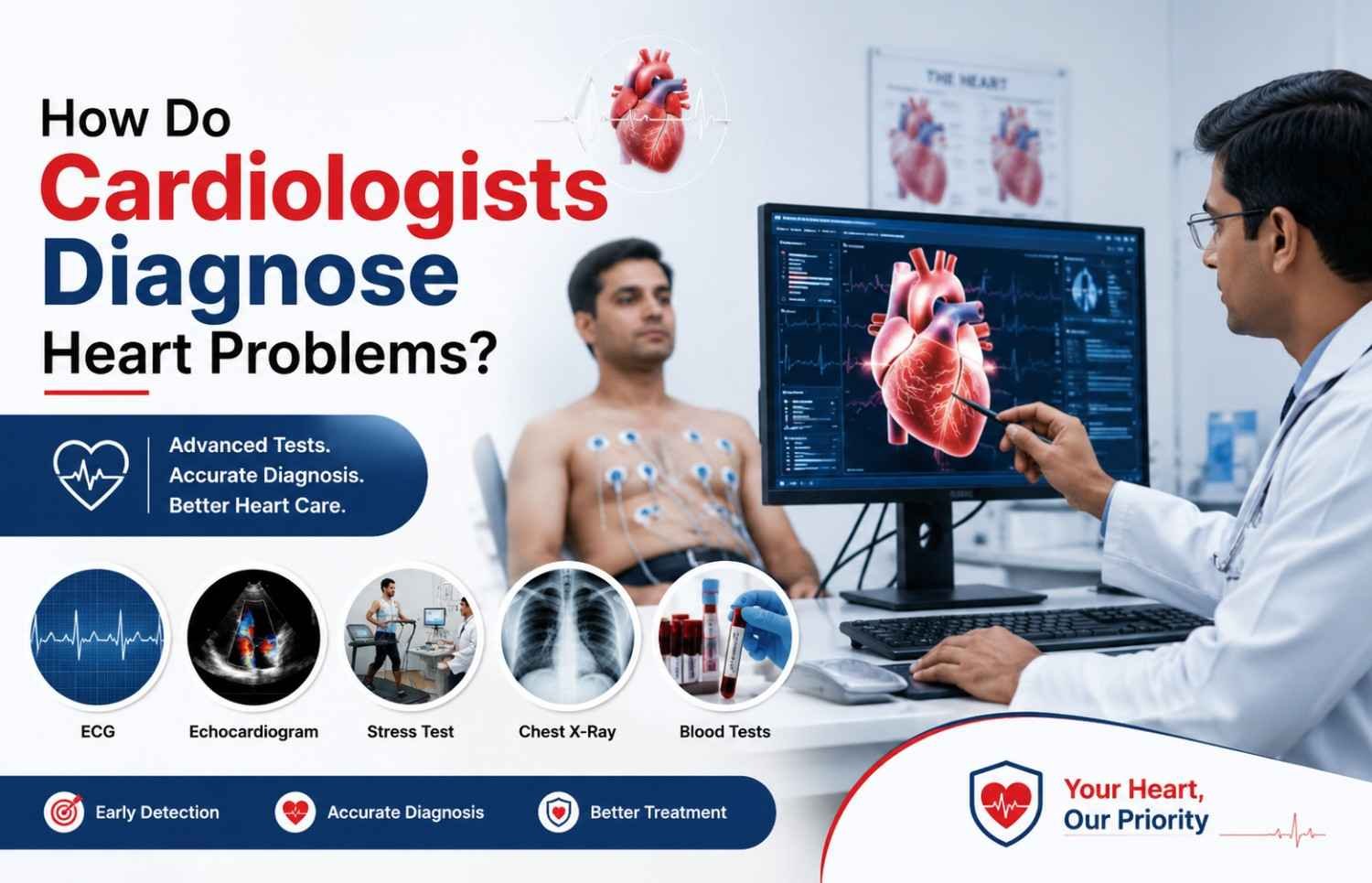
Heart disease remains one of the leading causes of health complications worldwide. The good news is that modern cardiology offers advanced tools and techniques that help doctors identify heart conditions early and accurately. Understanding how cardiologists diagnose heart problems can help patients seek timely medical attention and improve their chances of successful treatment.
If you experience symptoms such as chest pain, shortness of breath, irregular heartbeat, dizziness, or fatigue, a cardiologist can evaluate your condition and recommend the appropriate tests. Visiting a trusted heart care centre Gorakhpur or consulting an experienced heart doctor in Gorakhpur can make a significant difference in early diagnosis and treatment.
Why Early Diagnosis of Heart Problems Matters
The heart is responsible for pumping blood throughout the body. When it doesn’t function properly, it can affect every organ and system. Early diagnosis helps:
- Detect heart disease before serious complications occur
- Prevent heart attacks and strokes
- Improve treatment outcomes
- Enhance quality of life
- Reduce long-term healthcare costs
Cardiologists use a combination of medical history, physical examinations, and diagnostic tests to identify heart-related issues.
Step 1: Reviewing Medical History
The first step in diagnosing heart problems is understanding the patient’s medical history. A cardiologist will ask questions about:
- Current symptoms
- Family history of heart disease
- Lifestyle habits such as smoking and alcohol consumption
- Exercise routine
- Existing medical conditions like diabetes, hypertension, or high cholesterol
- Current medications
A detailed medical history often provides valuable clues about the underlying cause of heart symptoms.
Step 2: Physical Examination
After reviewing medical history, the cardiologist performs a physical examination. During this assessment, the doctor may:
- Measure blood pressure
- Check heart rate and rhythm
- Listen to heart sounds using a stethoscope
- Examine blood circulation
- Look for swelling in the legs or ankles
- Evaluate breathing patterns
Abnormal heart sounds, irregular pulses, or signs of fluid retention may indicate underlying heart disease.
Step 3: Electrocardiogram (ECG or EKG)
An Electrocardiogram (ECG) is one of the most common diagnostic tests used by cardiologists.
What Does an ECG Measure?
An ECG records the electrical activity of the heart. It helps detect:
- Irregular heart rhythms (arrhythmias)
- Previous heart attacks
- Heart enlargement
- Reduced blood flow to the heart
- Electrical conduction abnormalities
The test is painless and typically takes only a few minutes to complete.
Step 4: Echocardiography
An echocardiogram uses ultrasound waves to create detailed images of the heart.
Benefits of an Echocardiogram
This test allows cardiologists to evaluate:
- Heart chamber size
- Heart valve function
- Pumping efficiency
- Structural abnormalities
- Congenital heart defects
Echocardiography provides real-time images that help doctors assess how well the heart is functioning.
Step 5: Stress Testing
Some heart conditions become apparent only when the heart works harder. A stress test evaluates how the heart performs during physical activity.
Types of Stress Tests
- Treadmill Stress Test
- Stress Echocardiogram
- Nuclear Stress Test
These tests help identify:
- Coronary artery disease
- Reduced blood flow
- Exercise-induced arrhythmias
- Heart function under stress
Many patients visiting a heart care centre Gorakhpur undergo stress testing when symptoms occur during physical exertion.
Step 6: Blood Tests
Blood tests play a crucial role in diagnosing heart disease.
Common Cardiac Blood Tests
Cholesterol Profile
Measures levels of:
- LDL (bad cholesterol)
- HDL (good cholesterol)
- Triglycerides
Cardiac Biomarkers
Used to detect heart muscle damage after a heart attack.
Blood Sugar Tests
Diabetes significantly increases the risk of heart disease.
Inflammatory Markers
Can indicate inflammation affecting blood vessels and heart tissue.
These tests help cardiologists evaluate overall cardiovascular risk.
Step 7: Holter Monitoring
A Holter monitor is a portable ECG device worn for 24 to 48 hours or longer.
Why Is Holter Monitoring Used?
It helps detect:
- Intermittent arrhythmias
- Unexplained palpitations
- Episodes of dizziness
- Heart rhythm disturbances that may not appear during a standard ECG
Because it continuously records heart activity, it provides a more complete picture of heart function.
Step 8: Cardiac CT Scan
A Cardiac CT Scan uses advanced imaging technology to produce detailed pictures of the heart and blood vessels.
What Can a CT Scan Detect?
- Coronary artery blockages
- Calcium deposits
- Congenital abnormalities
- Aortic disease
The test is especially useful for identifying early signs of coronary artery disease.
Also Read: Signs You Should Consult a Breast Cancer Surgeon Immediately
Step 9: Cardiac MRI
A Cardiac Magnetic Resonance Imaging (MRI) scan offers highly detailed images of the heart.
Benefits of Cardiac MRI
Cardiologists use MRI to assess:
- Heart muscle damage
- Cardiomyopathy
- Congenital heart defects
- Inflammation of heart tissues
- Complex structural conditions
MRI provides excellent image quality without exposing patients to radiation.
Step 10: Coronary Angiography
Coronary angiography is considered one of the most definitive tests for diagnosing blocked coronary arteries.
How Does Angiography Work?
A contrast dye is injected into the coronary arteries, and X-ray images are taken to visualize blood flow.
It helps identify:
- Narrowed arteries
- Blocked arteries
- Severity of coronary artery disease
This procedure is often recommended when other tests suggest significant blockage.
Signs That Indicate You Should See a Cardiologist
Consult a cardiologist if you experience:
- Persistent chest pain
- Shortness of breath
- Rapid or irregular heartbeat
- Unexplained fatigue
- Fainting episodes
- Swelling in the legs
- High blood pressure
- Family history of heart disease
Seeking help from an experienced heart doctor in Gorakhpur can ensure timely diagnosis and proper management of heart conditions.
How Lifestyle Factors Affect Heart Health
Cardiologists also evaluate lifestyle habits that contribute to heart disease.
Major Risk Factors Include:
- Smoking
- Obesity
- High cholesterol
- Diabetes
- Physical inactivity
- Excessive alcohol consumption
- Chronic stress
Making healthy lifestyle changes often plays an important role in both prevention and treatment.
Choosing the Right Heart Specialist
When selecting a cardiologist, consider:
- Experience and qualifications
- Availability of advanced diagnostic facilities
- Patient reviews and reputation
- Emergency care services
- Comprehensive cardiac treatment options
A reputed heart care centre Gorakhpur equipped with modern diagnostic technology can provide accurate evaluations and personalized treatment plans.
Conclusion
Diagnosing heart problems involves much more than simply checking blood pressure or listening to the heartbeat. Cardiologists use a combination of medical history, physical examinations, blood tests, ECGs, echocardiograms, stress tests, advanced imaging, and angiography to identify heart conditions accurately.
Early diagnosis is the key to preventing serious complications such as heart attacks, heart failure, and stroke. If you experience any warning signs or have risk factors for heart disease, consulting a qualified heart doctor in Gorakhpur is a smart decision. Regular heart screenings at a trusted heart care centre Gorakhpur can help protect your cardiovascular health and ensure a healthier future.
About the Author